Aquatic rehabilitation, in private practice.
POPS operates from the Aquatic Center Complex in Wildey with year round pool access. Our aquatic therapy scope spans hydrotherapy (rehab exercise in the pool), sports rehabilitation, prenatal classes and group fitness.
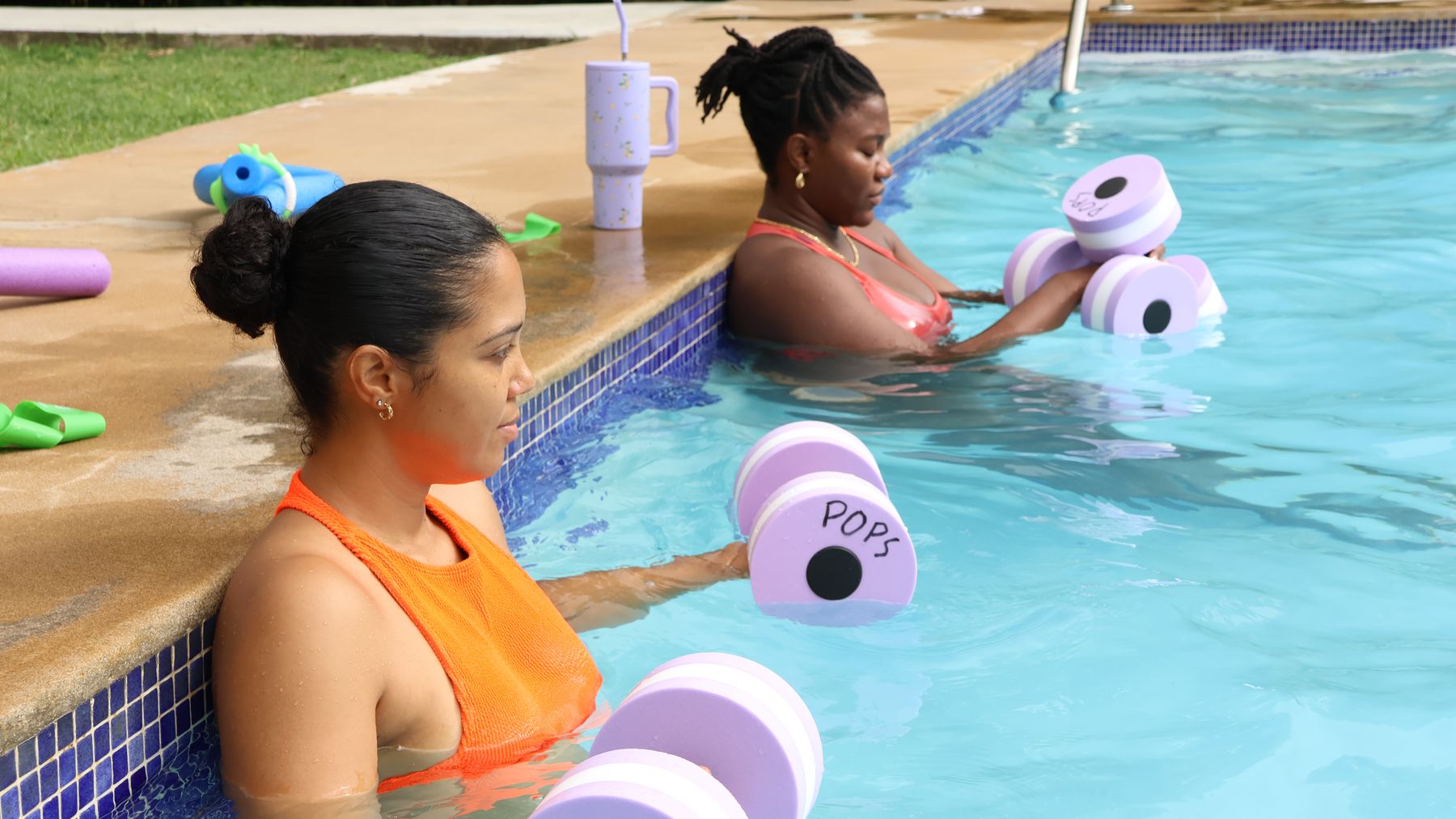
The water changes what is clinically possible.
Water removes gravitational load on healing tissue. Patients with weight-bearing restrictions can begin meaningful mobilisation weeks before the same work is safe on land.
Water resists in three dimensions and scales to the effort applied. Strength, range, and proprioception can be trained in a single movement: there is no land equivalent.
Sustained gentle pressure modulates inflammation, supports venous return, and reduces swelling. Particularly relevant for chronic pain, lymphatic conditions, and prenatal populations.
Warm water reduces muscle guarding and pain perception. Patients can often work harder and longer before discomfort or fatigue limits the session.
“Buoyancy doesn't just make recovery easier. It makes recoveries possible that would otherwise stall on land.”
Marita Marshall · Clinic Manager & Lead Physio
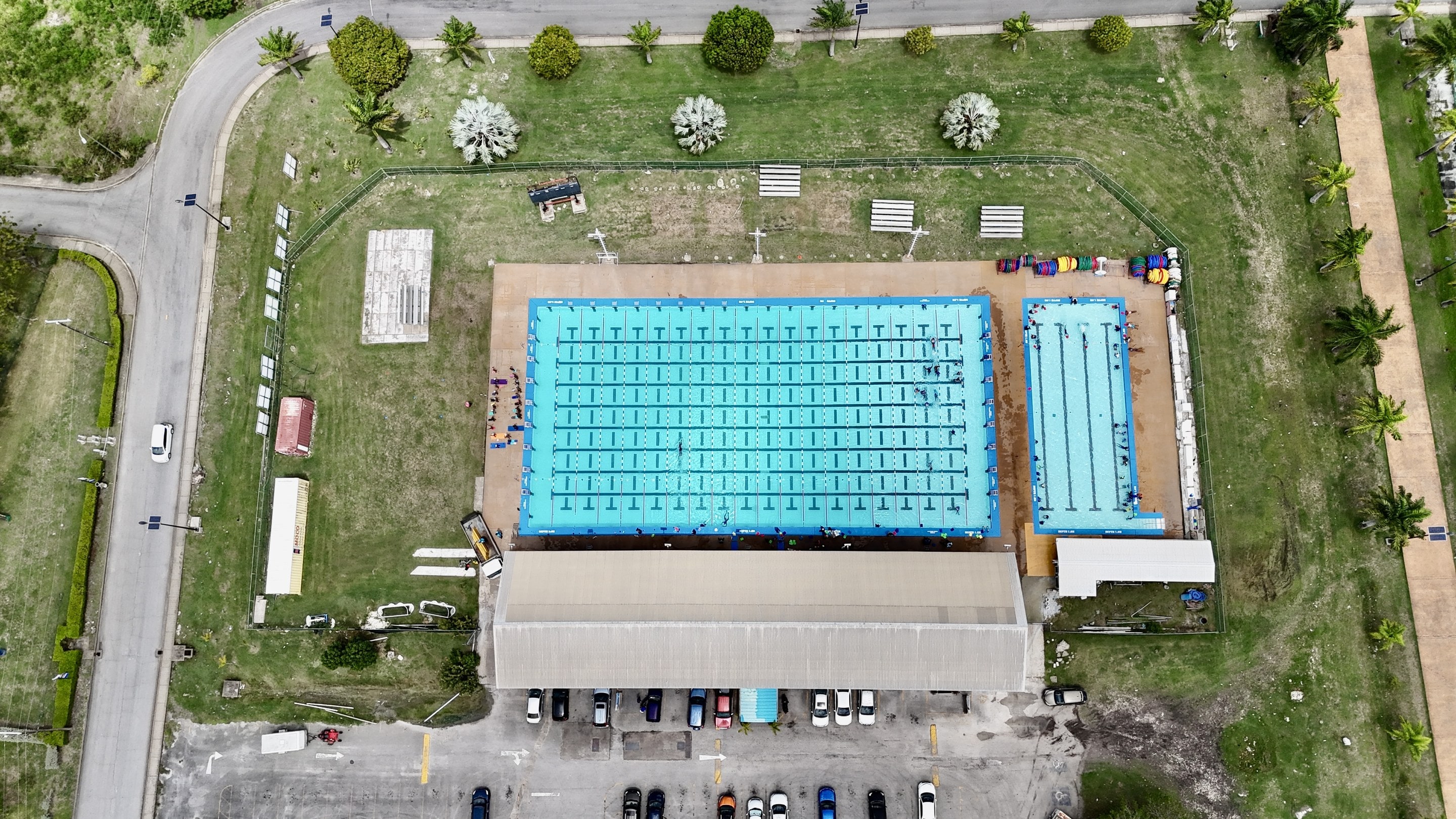
Our Aquatic Center location offers access to 2 pools of varying depths.
Conditions where the pool changes the outcome.
- Total knee and hip replacement
- ACL reconstruction
- Rotator cuff repair
- Spinal fusion and decompression
- Chronic back pain and disc pathology
- Osteoarthritis of hip, knee, and spine
- Fibromyalgia and chronic pain syndromes
- Recurrent or unresolved injury
- Pregnancy-related lumbopelvic pain
- Late-pregnancy mobility and conditioning
- Postnatal return to exercise
- Neurological rehabilitation
- Lymphatic and circulatory conditions
- Return to sport after lower-limb injury
Three ways into the water.
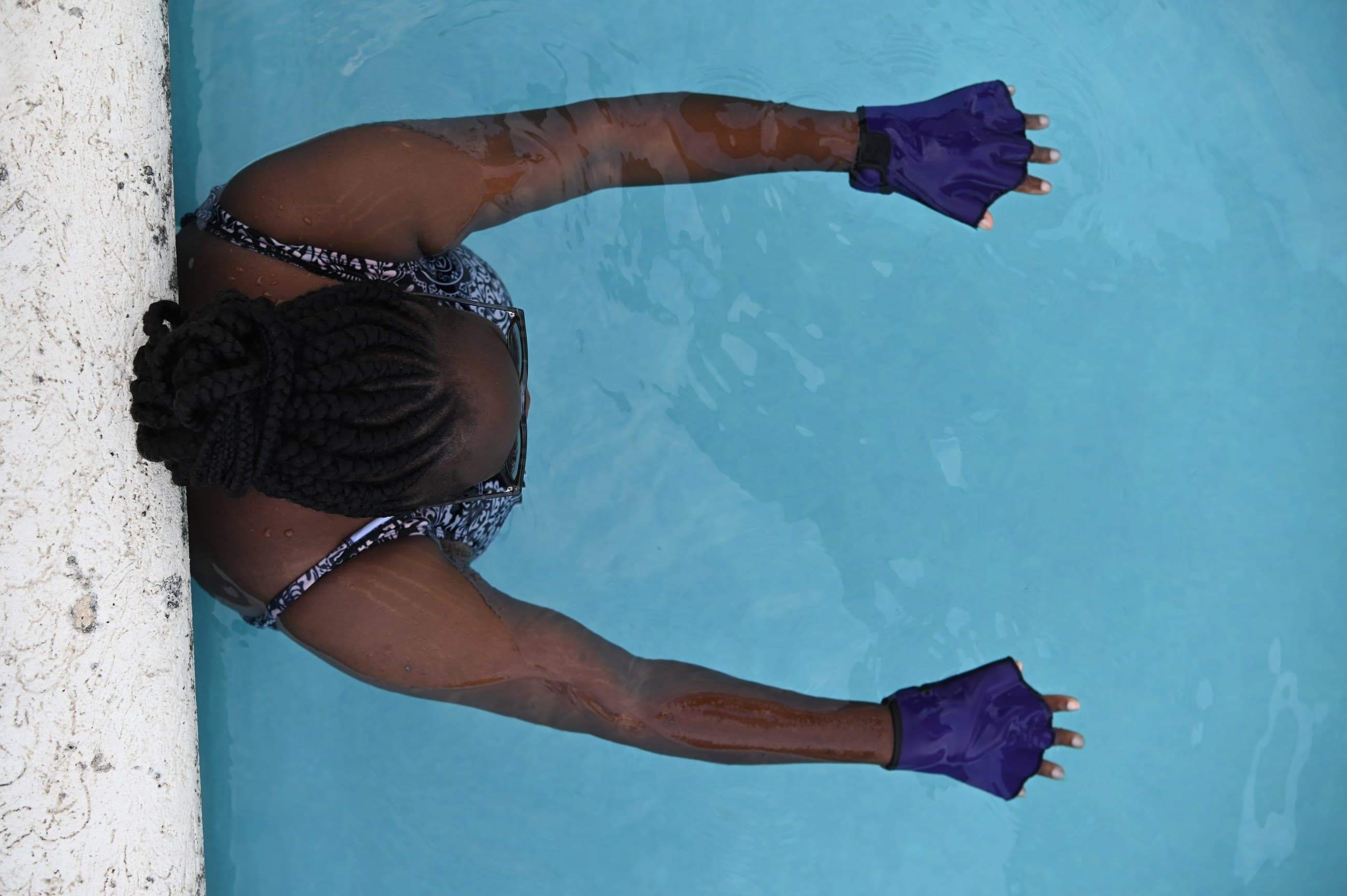
One-to-one hydrotherapy
Individual aquatic physiotherapy with a clinician: the bulk of post-surgical and chronic-pain pool work.
Learn more →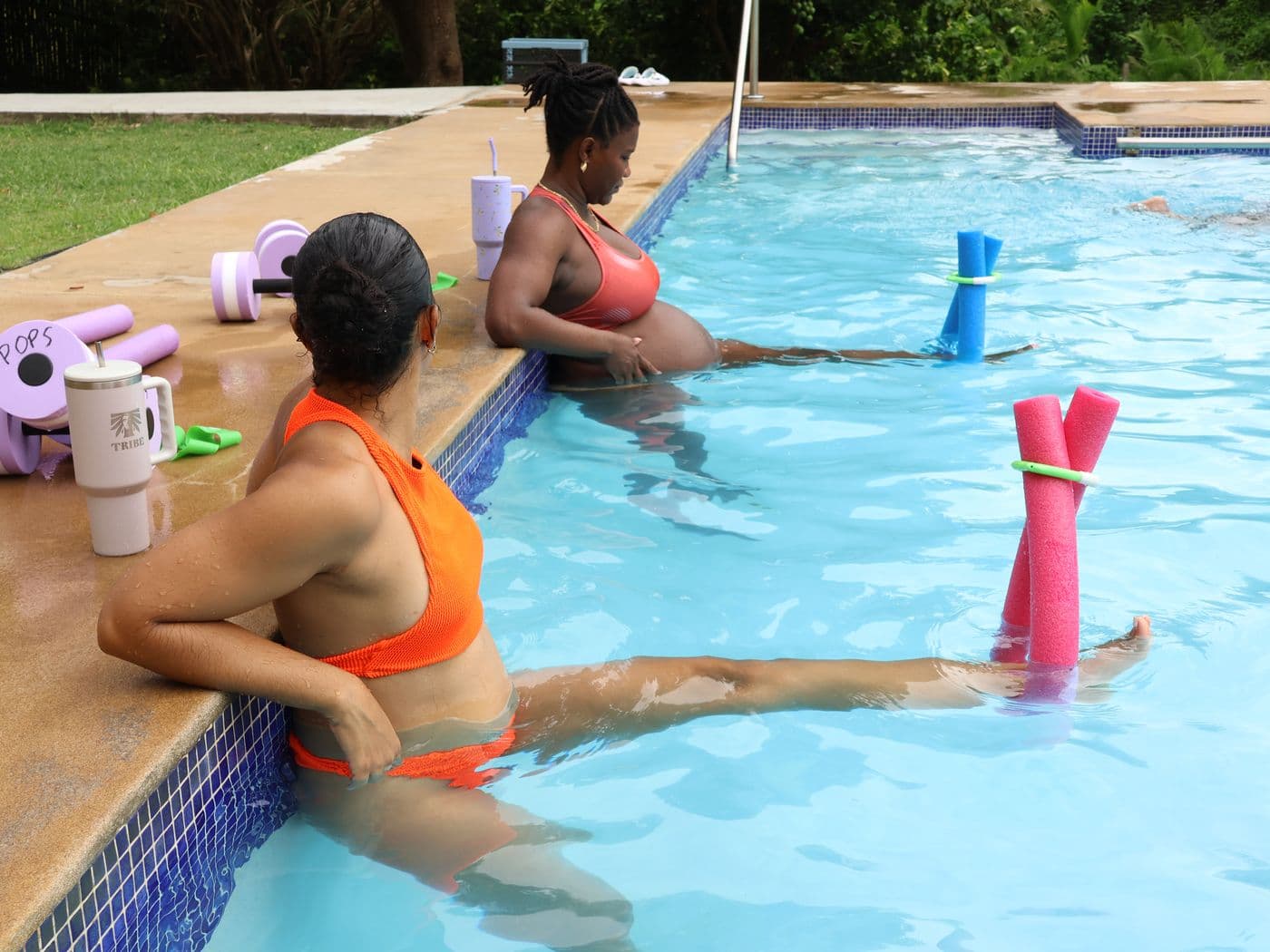
AquaNatal
Six-week aquatic programme for expectant mothers. Safe, low-impact movement.
Learn more →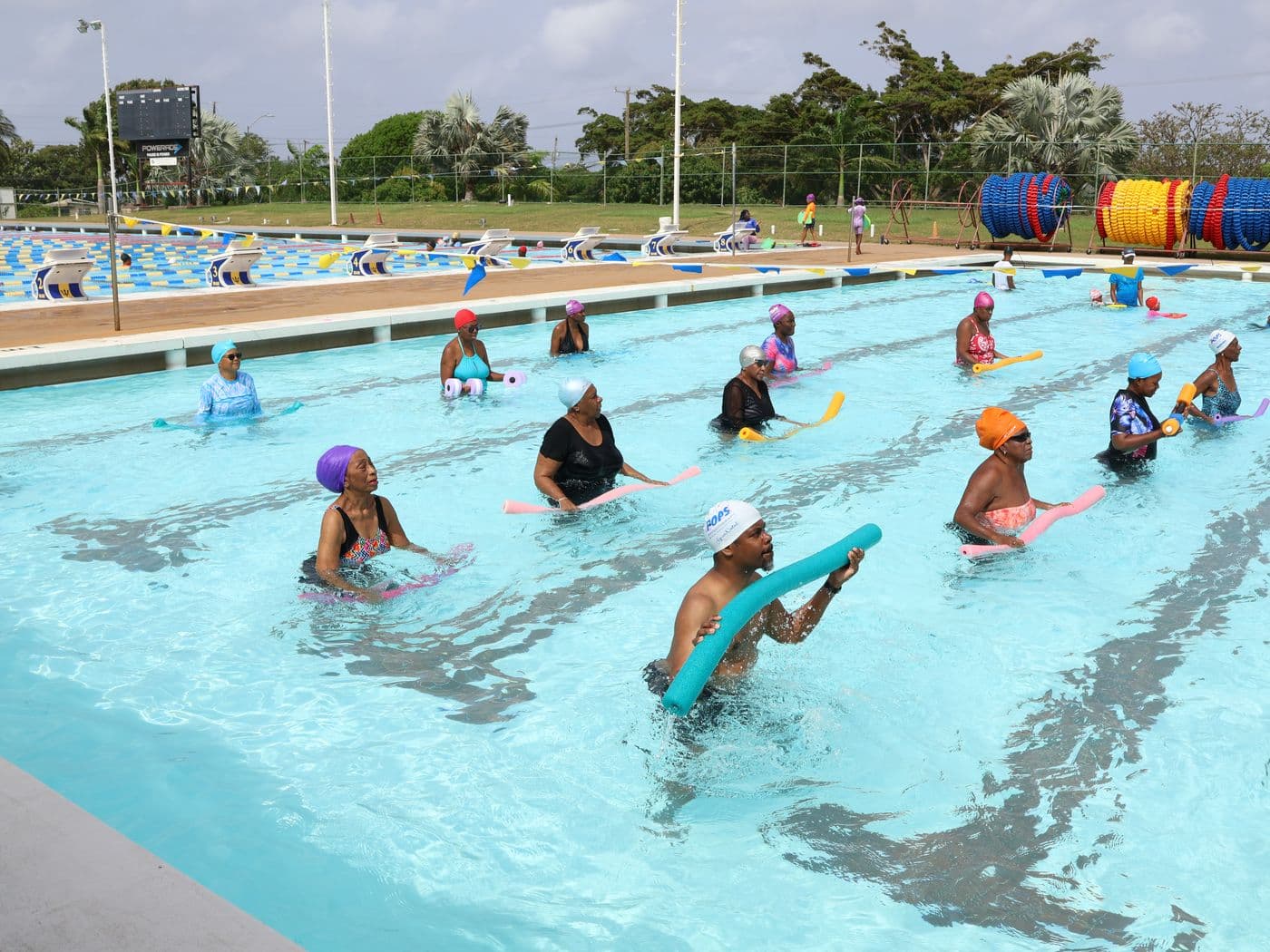
AquaAerobics
Year-round group fitness for all ages and levels.
Learn more →First time in the pool with us.
- Do I need to be a strong swimmer?
- No. Water height is usually waist or chest high. You'll be able to stand for the entire session.
- What should I bring?
- Swimwear, a swim cap, a towel and change of clothes. We provide all pool equipment and make sure you feel comfortable in the water.
- Are sessions one-to-one or group?
- Both. Clinical hydrotherapy is one-to-one; AquaNatal and AquaAerobics run as small physiotherapist-led groups.
- How warm is the pool?
- The pool is maintained at therapeutic temperature, however this may be subjective. We make sure to get you warm as you engage in all pool sessions.
- I have never had aquatic therapy before. What is the first session like?
- During your first session, we allow you to feel comfortable moving in the water with appropriate exercises and stretches according to your condition.